
Walk into any piano studio, and you’ll likely find an interesting mix of students. A six-year-old fidgeting on the bench, eager to hammer out a tune. A forty-year-old professional finally making good on a lifelong promise to themselves. Different ages, different motivations, different challenges—but the same instrument, the same keys, and the same fundamental joy of making music, which is at the heart of piano teaching across generations.
As a piano teacher, one of the most rewarding aspects of the job is figuring out how to meet each student exactly where they are. A young child and a middle-aged adult can sit at the same piano and learn the same foundational skills, yet the approach to teaching them couldn’t be more different. The songs, the pacing, the language, the motivation—everything shifts.
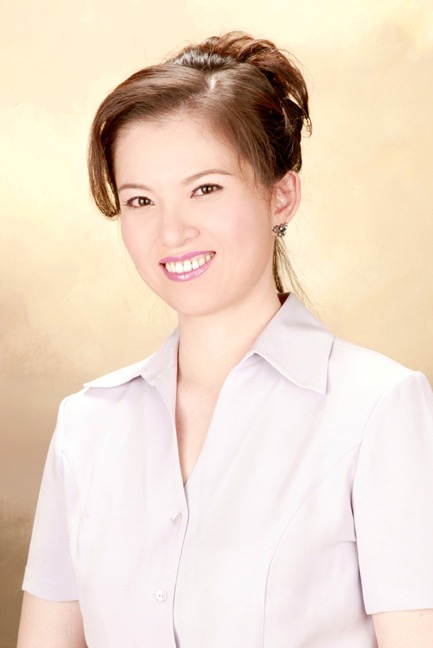
Dr. Doris Chiang, an accomplished pianist and private instructor based in Southern California, has spent years navigating this exact challenge. Her students span a wide age range, and many have gone on to win prizes and earn recognition for their performances. Her philosophy? Flexibility and personalization aren’t optional extras in piano teaching—they’re the whole point.
This post explores how a single lesson concept can be adapted for a young beginner and an adult learner, and what that tells us about effective music education at any age.

Why Age-Appropriate Teaching Matters
Learning piano is not a one-size-fits-all experience. A child’s brain is wired for rapid, play-based absorption. An adult’s brain brings analytical thinking and life experience, but can also carry self-doubt and a fear of failure that kids simply don’t have yet.
Research in music education consistently shows that motivation, learning style, and cognitive approach differ significantly between children and adults. Teaching a forty-year-old the same way you’d teach a six-year-old is a fast track to frustration—and vice versa. What works beautifully for one can feel patronizing or overwhelming for the other.
The key is finding what’s universal—technique, theory, ear training—and then tailoring the delivery.
Lesson Plan: Learning a Simple Melody
Let’s take a concrete example: teaching a student to play a simple, recognizable melody using both hands. This is a milestone moment in any beginner’s journey. For a child, that melody might be “Twinkle Twinkle Little Star.” For an adult, it might be the opening bars of Beethoven’s “Ode to Joy.” Same concept, very different execution.
Teaching a 6-Year-Old Beginner
With young children, the lesson begins long before fingers touch the keys. Setting up the physical environment matters enormously. The bench height, foot support, and posture are all adjusted to fit a small body. Children who feel physically uncomfortable at the piano will lose focus quickly.
The introduction of a melody like “Twinkle Twinkle” works so well with young learners because it’s already stored in their memory. They know how it sounds, which means they can self-correct by ear—a powerful learning tool that often goes underused.
Here’s how a typical lesson might unfold:
- Storytelling and imagery: Rather than explaining rhythm in technical terms, a teacher might say, “These notes are long and sleepy, these ones are quick and bouncy.” Children respond to narrative.
- Hands separately, then together: The right hand learns the melody first. Once it feels natural, the left hand is introduced with a simple accompaniment—perhaps just two notes. Combining them is treated like a game, not a test.
- Short, frequent repetition: Young children have limited attention spans, so the lesson cycles through activities every five to ten minutes. Clapping rhythms, identifying notes on a chart, and playing back short phrases keeps energy up.
- Positive reinforcement: Specific praise (“I love how you held that note for the full count”) builds confidence far more effectively than generic encouragement.
The goal at this age isn’t perfection. It’s cultivating a love for the instrument and building foundational habits—good posture, relaxed hands, and an ear for pitch—that will carry them forward for years.
Teaching a 40-Year-Old Adult Beginner
Adult learners bring an entirely different set of strengths and challenges to the piano bench. On the positive side, they have stronger focus, clear personal goals, and the ability to understand music theory quickly when it’s explained well. On the other side, many adult beginners carry tension—physical tension in their hands and arms, and psychological tension tied to the fear of looking foolish or progressing too slowly.
With an adult student learning “Ode to Joy,” the approach shifts noticeably:
- Context and theory first: Adults often want to understand why before they dive in. A brief explanation of the key, the time signature, and where this piece sits in Beethoven’s broader work gives them a mental framework. This isn’t necessary for a child, but for an adult, it creates buy-in.
- Technique addressed directly: Hand position and tension are discussed openly. Adult learners respond well to clear, anatomical explanations—”Imagine you’re holding a small orange in each hand”—rather than abstract imagery.
- Hands separately, with deliberate practice: The same hands-separate approach applies, but adults can spend longer on each hand before combining them. They’re also more willing to do slow, deliberate repetition if they understand the purpose.
- Connecting to their ‘why’: A forty-year-old learning piano usually has a deeply personal reason—a childhood dream, a desire to play for their kids, a need for a creative outlet after a demanding career. Good teachers keep that motivation visible throughout the lesson.
The challenge with adult learners is managing expectations. Progress can feel slow, especially in the first few months. Dr. Chiang’s approach emphasizes consistency over speed—building the skills and knowledge that encourage students to keep practicing beyond each lesson, not just in the lead-up to it.
What Both Students Have in Common
Despite the differences in approach, the core lesson structure remains the same. Both students:
- Learn hands separately before combining them
- Receive immediate, specific feedback
- Practice short sections before tackling the whole piece
- Leave the lesson with a clear, manageable goal for the week
That consistency matters. It signals that the fundamentals of learning piano—patience, repetition, listening carefully—apply at any age. The scaffolding changes; the foundation doesn’t.
The Role of Virtual Lessons in Modern Piano Teaching
One development that has expanded access to quality piano education is the rise of virtual lessons. Dr. Chiang now offers online private lessons as part of her teaching practice, allowing students across Southern California—and beyond—to benefit from personalized instruction without the constraints of geography or scheduling.
Virtual lessons work surprisingly well for piano, provided the setup is right. A stable internet connection, good audio quality, and a camera angle that shows both the keyboard and the student’s hands go a long way. For adult learners especially, the flexibility of online lessons removes one of the biggest barriers to starting: finding the time.
For children, virtual lessons require a bit more parental involvement, particularly in the early stages. A parent sitting nearby to help with positioning or to keep a young student focused can make a significant difference.

The Rewards of Teaching Across Generations
There’s something genuinely moving about watching a six-year-old play their first complete melody, and something equally moving about watching a forty-year-old finally sit down and do the thing they’ve been putting off for decades. Both moments carry weight.
Piano teaching across generations demands adaptability, empathy, and a deep understanding of how people learn. It asks teachers to constantly reconsider their assumptions—about what motivation looks like, what progress looks like, and what success looks like for each individual student.
Dr. Chiang’s students, from the youngest beginners to adult learners returning to music after years away, share one thing: they’re all capable of more than they think. The job of a great teacher is to show them that, one lesson at a time.
If you’re interested in private piano lessons—whether for yourself or your child—Dr. Doris Chiang offers personalized instruction for all ages and skill levels, both in-person and virtually. Get in touch to book your first lesson.