
Walk into any piano studio, and you might assume the teacher is listening for perfect scales or flawless sight-reading. But ask an experienced instructor what they’re really watching for, and you’ll get a different answer. Technical skill matters, but it’s rarely the first thing a great teacher notices.
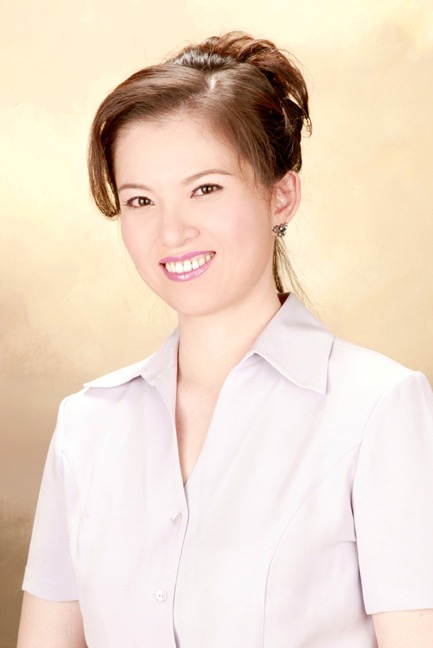
Instead, teachers like Doris Chiang—a piano instructor known for her work with students of all ages and skill levels across California and online—pay close attention to how a student thinks, feels, and responds to challenges at the keyboard. These qualities often predict long-term success far better than how quickly someone memorizes a piece.
This post looks at what experienced piano teachers actually see in their students, and why that perspective matters whether you’re a parent choosing lessons for your child, an adult considering piano for the first time, or a student wondering what your teacher notices during your lessons.
What Separates Technical Skill from Musical Potential?
Technical skill is teachable. Almost anyone can learn finger placement, scales, and rhythm with enough repetition. Musical potential is different—it’s about how a student processes and responds to sound.
A student with strong technical skill might play a piece note-perfect but without any sense of phrasing or dynamics. A student with musical potential might fumble a few notes but shape the melody with genuine feeling. Great teachers recognize that the second student often has more room to grow into an expressive musician, even if their fingers need more practice.
Doris Chiang’s approach reflects this distinction. Rather than rushing students through a rigid curriculum, she adapts her teaching to each student’s pace and goals, building technical skill alongside musical instinct instead of prioritizing one over the other.
How Do Teachers Spot Curiosity in a Student?
Curiosity shows up in small moments. A student who asks why a chord sounds sad, or who wants to know what a composer was thinking when they wrote a piece, is engaging with music on a deeper level than someone who just wants to finish their assigned pages.
Teachers look for:
- Questions beyond the assignment: Students who ask about music theory, composers, or genres outside their current lesson plan.
- Experimentation: A willingness to improvise or try playing a piece differently than written.
- Attention during listening exercises: Noticing details in recordings, like tempo changes or dynamics, without being prompted.
This curiosity often matters more than raw talent. A curious student will keep exploring music even when lessons get difficult, while a technically gifted but incurious student may lose interest once the novelty fades.
Why Does Resilience Matter More Than Natural Talent?
Learning piano takes discipline and patience, and nearly every student hits a wall at some point. Maybe it’s a piece that feels impossible, or a technique that won’t click no matter how much they practice. What a teacher notices here isn’t whether a student struggles, but how they respond to that struggle.
Resilient students treat mistakes as information, not failure. They might get frustrated, but they return to the piano and try again. Great teachers nurture this by setting goals that are achievable but still challenging enough to build confidence. Chiang applies this principle directly, structuring her lessons to help students develop the mental resilience to take on increasingly difficult pieces without becoming discouraged.
Choose a teaching style that emphasizes resilience if your goal is long-term musical growth rather than short-term performance wins. Students who learn to push through difficulty tend to stick with piano far longer than those who only experience early, easy success.
How Do Teachers Recognize Emotional Expression at the Keyboard?
Music is a language, and some students communicate through it more naturally than others. Teachers watch for signs that a student isn’t just playing notes, but telling a story with them.
This might look like:
- Adjusting tempo or volume instinctively to match the mood of a piece
- Pausing at the right moments to create tension or resolution
- Playing the same piece differently depending on their mood that day
Chiang teaches this skill directly, encouraging students to express themselves through music in their own unique way rather than simply replicating a teacher’s interpretation. This focus on storytelling, not just note accuracy, is part of what separates a technically competent pianist from an expressive one.
What Role Does Self-Motivation Play in a Student’s Progress?
Great teachers also pay attention to why a student is practicing. Are they playing because a parent told them to, or because they genuinely want to improve? Self-motivated students tend to practice more consistently, even without external pressure, and they’re more likely to continue playing piano into adulthood.
Teachers can’t manufacture motivation, but they can nurture it by making lessons enjoyable and personally meaningful. This is where personalization becomes essential. A ten-year-old who loves video game soundtracks might stay more engaged learning to play music from their favorite game than working through a generic method book. Chiang’s lessons follow a clear structure while adapting to each student’s interests and goals, which helps build the kind of confidence that keeps students motivated long after a lesson ends.
How Technology Has Changed What Teachers Can See in Students
Online piano instruction has given teachers new tools for observing and nurturing these qualities. Interactive video lessons and real-time feedback tools let instructors catch subtle details in a student’s playing that might be missed in a rushed in-person session. Virtual recitals and masterclasses also give students more opportunities to express themselves in front of an audience, which helps teachers see how students handle performance pressure.
Chiang incorporates these tools into her online teaching, using interactive video instruction, real-time feedback, and virtual recitals to create a learning environment that goes beyond simply assigning sheet music and checking homework.
Choosing a Piano Teacher Who Sees the Whole Student
If you’re searching for a piano teacher—for yourself or for your child—it helps to ask how they approach teaching beyond technical skill. Do they talk about curiosity, resilience, and expression, or only about scales, exams, and performance metrics? Teachers who see the whole student tend to build musicians who stick with piano for life, not just students who can pass a grading exam.
Doris Chiang offers both online and in-person piano lessons for students of all ages and skill levels across California. Her teaching approach focuses on personalization, resilience, and creative expression, helping students build a genuine connection to music rather than simply checking boxes on a curriculum. Learn more about her lessons and teaching philosophy on her blog.