
Plenty of parents sign their kids up for piano lessons without any intention of raising the next concert pianist. Maybe your child heard a friend playing and wanted to try it. Maybe you remember loving piano as a kid and want to give your own child that same experience. Whatever the reason, the goal is simple: have fun, learn a new skill, and enjoy making music.
So why would you need an experienced piano teacher for something so low-stakes? Couldn’t any teacher—or even an app—do the job?
The truth is that an experienced teacher matters just as much for casual learners as it does for serious students, though for different reasons. This post explains what an experienced teacher brings to “just for fun” piano lessons, and why cutting corners here can backfire.
Does “Just for Fun” Mean Lessons Can Be Less Structured?
It’s tempting to think that casual lessons need less structure than lessons aimed at competitions or exams. In reality, structure is what makes lessons fun in the first place. Children who don’t understand what they’re working toward, or who practice the same drills without clear purpose, tend to lose interest quickly.
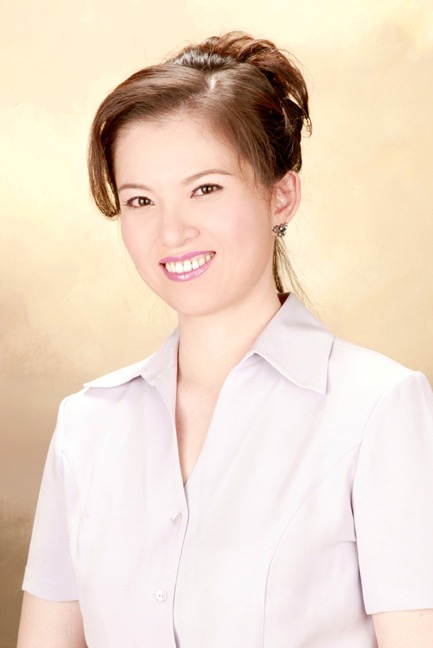
An experienced teacher like Doris Chiang builds structure into every lesson, but tailors that structure to each student’s goals and interests. A child who wants to play piano purely for enjoyment might not need a rigorous scale routine, but they still benefit from a clear progression that builds skill and confidence over time. The difference is in how that structure is delivered, not whether it exists at all.
Can Bad Habits Form Even in Low-Pressure Lessons?
Yes, and often more easily than in structured programs, because mistakes go unnoticed longer. A child who sits with poor hand posture, presses keys with tense fingers, or reads music incorrectly might not feel immediate consequences. Over months or years, though, these habits become difficult to unlearn and can even lead to discomfort or injury.
Experienced teachers catch these issues early. They know what proper hand position looks like at different ages, how to correct posture without discouraging a young student, and when a habit is minor versus something that needs immediate attention. According to music education research, early technical habits are among the hardest to correct later, which makes early intervention especially valuable, even for casual learners.
Choose an experienced teacher if you want your child to develop good habits from the start rather than unlearning bad ones down the road.
How Does an Experienced Teacher Keep Lessons Fun Without Losing Substance?
A common misconception is that “fun” and “substance” are at odds, that a teacher must choose between keeping a child entertained and actually teaching them something. Experienced instructors know this isn’t true.
Doris Chiang’s approach, for example, blends personalization with real skill-building. A student who loves video game music might learn piano through songs from their favorite game, while still developing the technical foundation needed to tackle more advanced pieces later. This kind of flexibility is where experience matters most. Newer or less-trained teachers often rely on generic method books because they don’t yet have the tools to adapt lessons on the fly.
Fun lessons that still build real skill require a teacher who can read what motivates each individual student, then shape lessons around that insight.
What Happens When a Child Loses Interest Mid-Way Through Lessons?
Nearly every child hits a point where piano feels hard, boring, or less exciting than it was at first. This is normal, but how a teacher handles it can determine whether a child quits or pushes through to a breakthrough.
Experienced teachers recognize the signs of waning motivation early and adjust before a child disengages completely. This might mean introducing a new genre, setting a small achievable goal, or simply having a conversation about what the student wants out of lessons. A less experienced teacher may not notice these shifts until a student has already decided to stop.
If your priority is long-term enjoyment rather than short-term performance wins, choose a teacher who knows how to navigate motivation dips, not just one who can teach notes and rhythm.
Does Experience Matter More for Younger Children or Older Beginners?
Experience matters for both, but in different ways. Younger children often need a teacher who understands child development, attention spans, and how to make abstract concepts like rhythm and theory feel concrete and playful. Older beginners, including adults learning piano for the first time, often benefit from a teacher who can explain concepts clearly and connect them to prior knowledge, whether that’s reading comprehension, math, or another instrument.
Chiang works with students of all ages and skill levels, both online and in person across California, which means her lessons are built to flex depending on who’s sitting at the keyboard. A teacher without this range may default to one teaching style regardless of the student in front of them, which can leave some learners underserved.
Is an Experienced Teacher Worth It If My Child Might Not Stick With Piano Long-Term?
This is a fair question, especially for parents weighing the cost of lessons against uncertain commitment. But an experienced teacher is actually more valuable, not less, in this scenario. If your child does lose interest, you want that decision to come from genuine preference, not frustration caused by confusing instruction or slow, unclear progress.
An experienced teacher gives your child the best possible chance to actually enjoy piano, which is the whole point of “just for fun” lessons in the first place. If your child ultimately decides piano isn’t for them, that’s a valid outcome. But it should be their choice, not the result of a learning experience that didn’t serve them well.
Choosing the Right Teacher for Casual Piano Lessons
“Just for fun” doesn’t mean “it doesn’t matter who teaches.” If anything, casual lessons require a teacher who can balance enjoyment with real skill-building, adapt to a child’s interests, and recognize when motivation needs a boost.
Doris Chiang offers both online and in-person piano lessons for students of all ages and skill levels across California. Her teaching approach focuses on personalization and genuine musical connection, helping even casual learners build real skill while enjoying every step of the process. Learn more about her lessons and teaching philosophy on her blog.